The Impact of MiCA Regulation on Crypto Gambling Operators in the EU
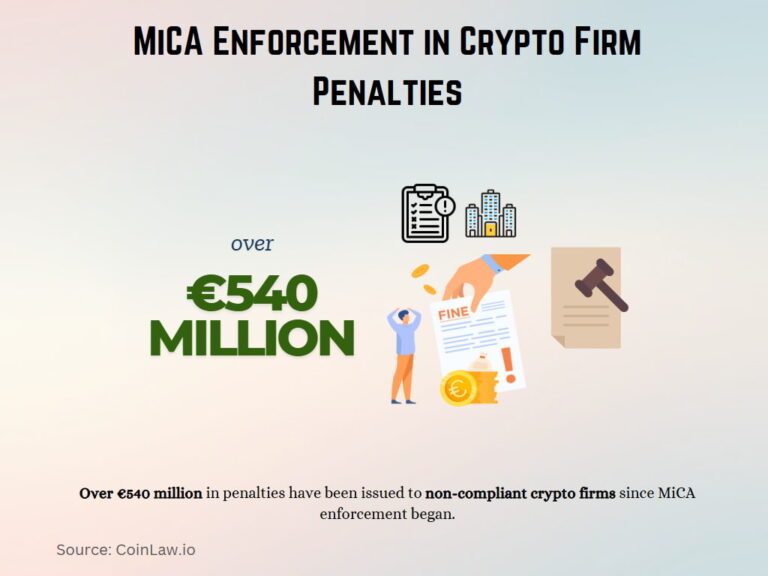
The European Union’s (EU) recent implementation of the Markets in Crypto-Assets (MiCA) regulation has sent shockwaves through the crypto gambling industry, forcing operators to adapt to a tighter regulatory environment. This comprehensive article explores the impact of MiCA on crypto gambling operators within the EU, providing insights and strategies to navigate the changing landscape.
The MiCA framework, now fully operational across the EU, has introduced a robust set of rules and requirements for crypto gambling operators. These regulations aim to enhance consumer protection, combat financial crime, and ensure the stability of the crypto-asset market. For crypto gambling operators, compliance with MiCA has become a top priority, as non-compliance can result in hefty fines and even the suspension of their operations.
Licensing and Authorization Requirements
One of the key aspects of MiCA is the mandatory licensing and authorization process for crypto gambling operators. Operators must now obtain a license from the relevant national competent authority (NCA) in the EU member state where they intend to operate. This process involves extensive due diligence, including scrutiny of the operator’s governance structure, risk management practices, and financial stability.
Transparency and Disclosure Obligations
MiCA also imposes strict transparency and disclosure requirements on crypto gambling operators. Operators must provide detailed information about their services, including the risks associated with crypto-asset transactions, the fees and charges, and the measures in place to protect customer funds. This level of transparency is designed to empower players and enable them to make informed decisions about their participation in crypto gambling activities.
Adapting to the New Regulatory Landscape
As crypto gambling operators navigate the MiCA landscape, they must implement a range of strategies to ensure compliance and maintain their competitiveness. This includes reviewing and updating their internal policies and procedures, investing in robust compliance and risk management systems, and engaging with regulatory authorities to stay informed about the latest developments.
Strengthening Compliance Frameworks
Crypto gambling operators must prioritize the development of comprehensive compliance frameworks that address the specific requirements of MiCA. This may involve the implementation of enhanced Know Your Customer (KYC) and Anti-Money Laundering (AML) measures, the adoption of secure data storage and protection protocols, and the establishment of transparent and auditable financial reporting systems.
Fostering Collaborative Relationships with Regulators
Establishing collaborative relationships with regulatory authorities is crucial for crypto gambling operators navigating the MiCA landscape. By engaging in open dialogues, operators can gain a deeper understanding of the regulatory expectations, provide feedback on the practical implications of the rules, and work towards finding mutually beneficial solutions.
Opportunities and Challenges in the MiCA Era
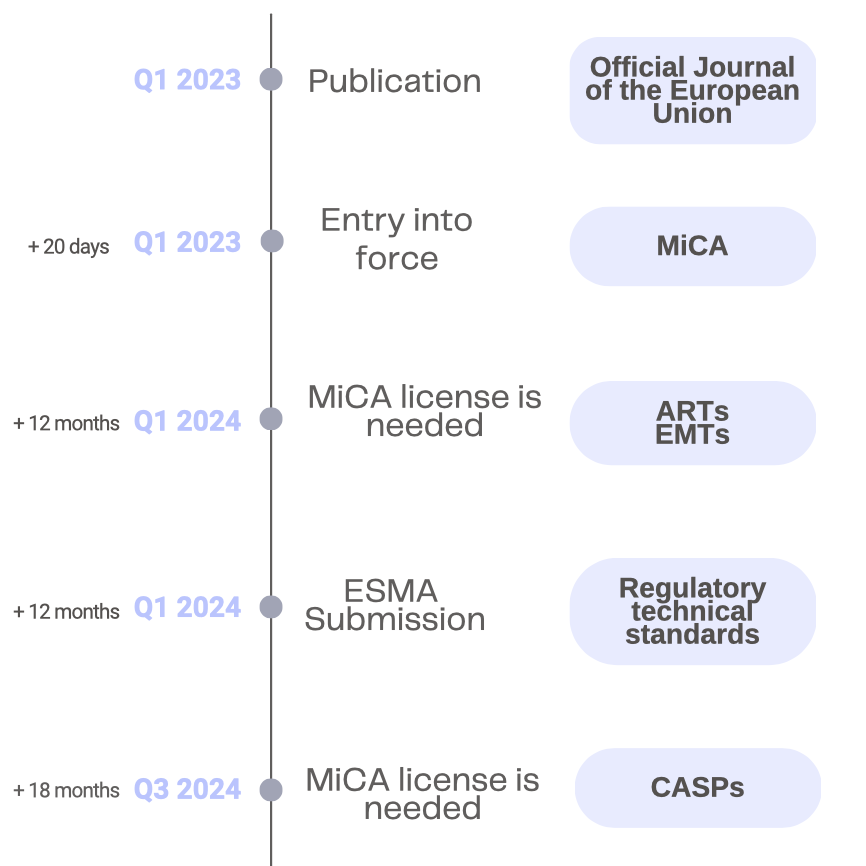
While the MiCA regulation presents significant challenges for crypto gambling operators, it also offers potential opportunities for those who can adapt and thrive in the new regulatory environment.
Enhancing Player Trust and Confidence
The increased transparency and consumer protection measures introduced by MiCA can help crypto gambling operators build greater trust and confidence among players. By demonstrating their commitment to responsible and compliant operations, operators can differentiate themselves in a crowded market and attract a wider customer base.
Leveraging Technological Innovations
The MiCA regulation also encourages the development and adoption of innovative technologies within the crypto gambling industry. Operators that invest in cutting-edge solutions for compliance, data management, and player experience can gain a competitive edge and position themselves as industry leaders.
As the crypto gambling industry continues to evolve, the impact of the MiCA regulation will be far-reaching. Crypto gambling operators must be proactive in adapting to the new regulatory landscape, prioritizing compliance, fostering collaborative relationships with authorities, and leveraging technological advancements to thrive in this dynamic and challenging environment.
Remember, responsible gambling is essential. If you or someone you know has a gambling problem, seek help from organizations like GamCare or BeGambleAware.
